Procore’s product ecosystem had grown rapidly across acquisitions, legacy frameworks, and inconsistent design patterns. While powerful, the experience had become fragmented — creating friction for users, inefficiencies for teams, and risk for the business.
Next Gen Experience was not a redesign. It was a strategic platform modernization initiative.
Fragmented Experience: Inconsistent patterns across products increased cognitive load and reduced user confidence.
Delivery Inefficiency: Lack of shared system standards slowed development and made estimation unpredictable.
Retention Risk: Usability friction in daily-use workflows threatened enterprise trust.
Innovation Risk: Without a unified foundation, AI and omnichannel innovation could not scale.
Market Expansion Blocked: Accessibility gaps and inconsistent platform standards kept Procore locked out of the $520B+ U.S. public sector and $2T EU construction markets.

Designing the System for Innovation
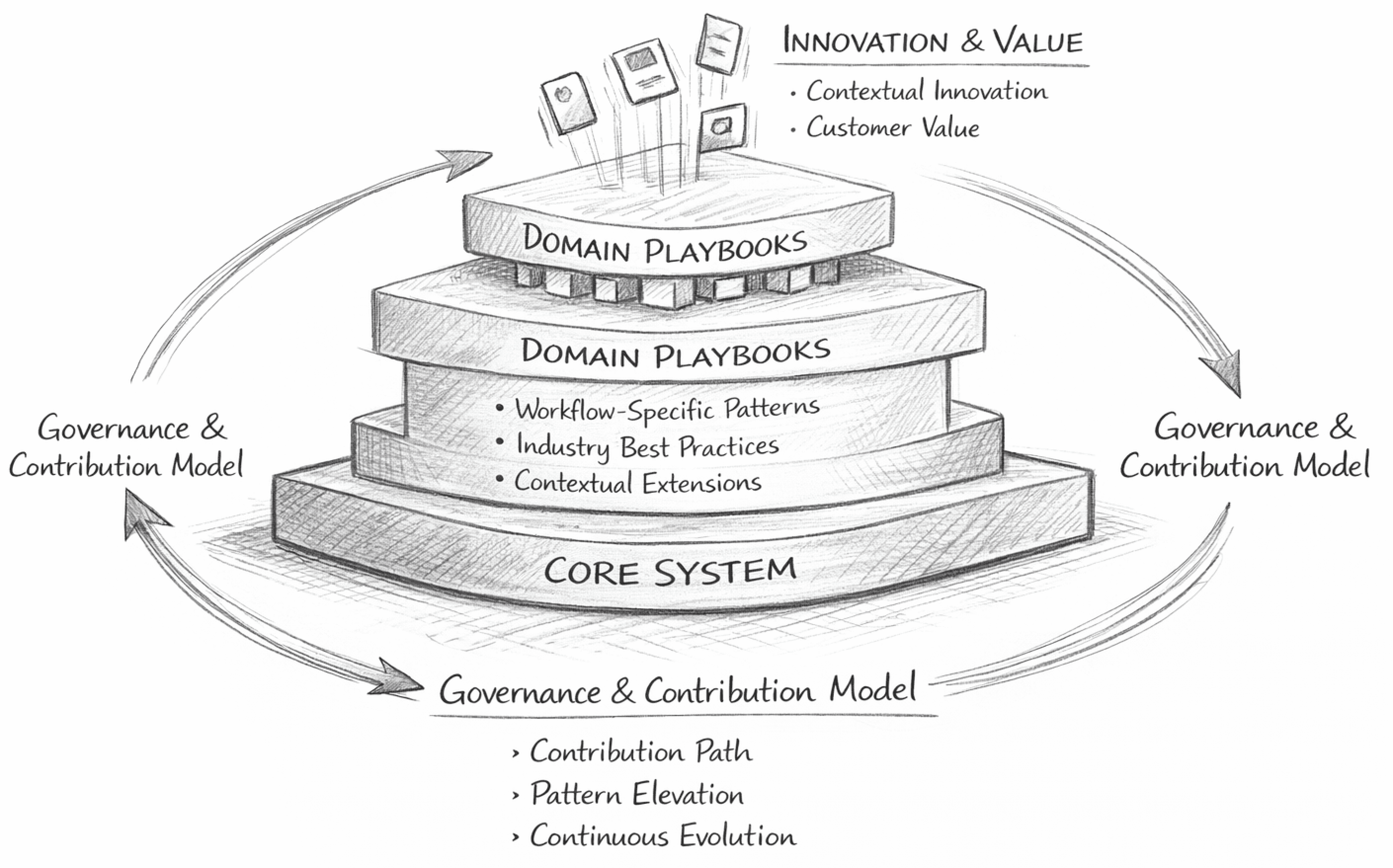
Next Gen Experience was not just about standardization. It was about defining what the system owns, and where teams are empowered to innovate.
By establishing a clear boundary between foundational components and domain-level playbooks, we created an operating model that:
Preserved consistency
Encouraged contextual innovation
Reduced rework
Prevented system drift
Allowed the design system to evolve through contribution
This shifted the design system from a constraint to a growth engine.
ROLE
Design Strategy Lead, Program Manager, Design System Manager
SCOPE
Next-generation platform experience, design system evolution, legacy-to-modern migration strategy
INFLUENCE
Drove execution strategy and program management across product portfolios, leading the white glove rollout onto legacy tools while defining the strategy to scale the new experience enterprise-wide
Accelerated platform modernization that contributed to FedRAMP authorization, unlocking $520B+ in U.S. public sector construction, while building the design infrastructure positioning Procore for the $2T EU market.
53% performance improvement
90% reduction in mockup time
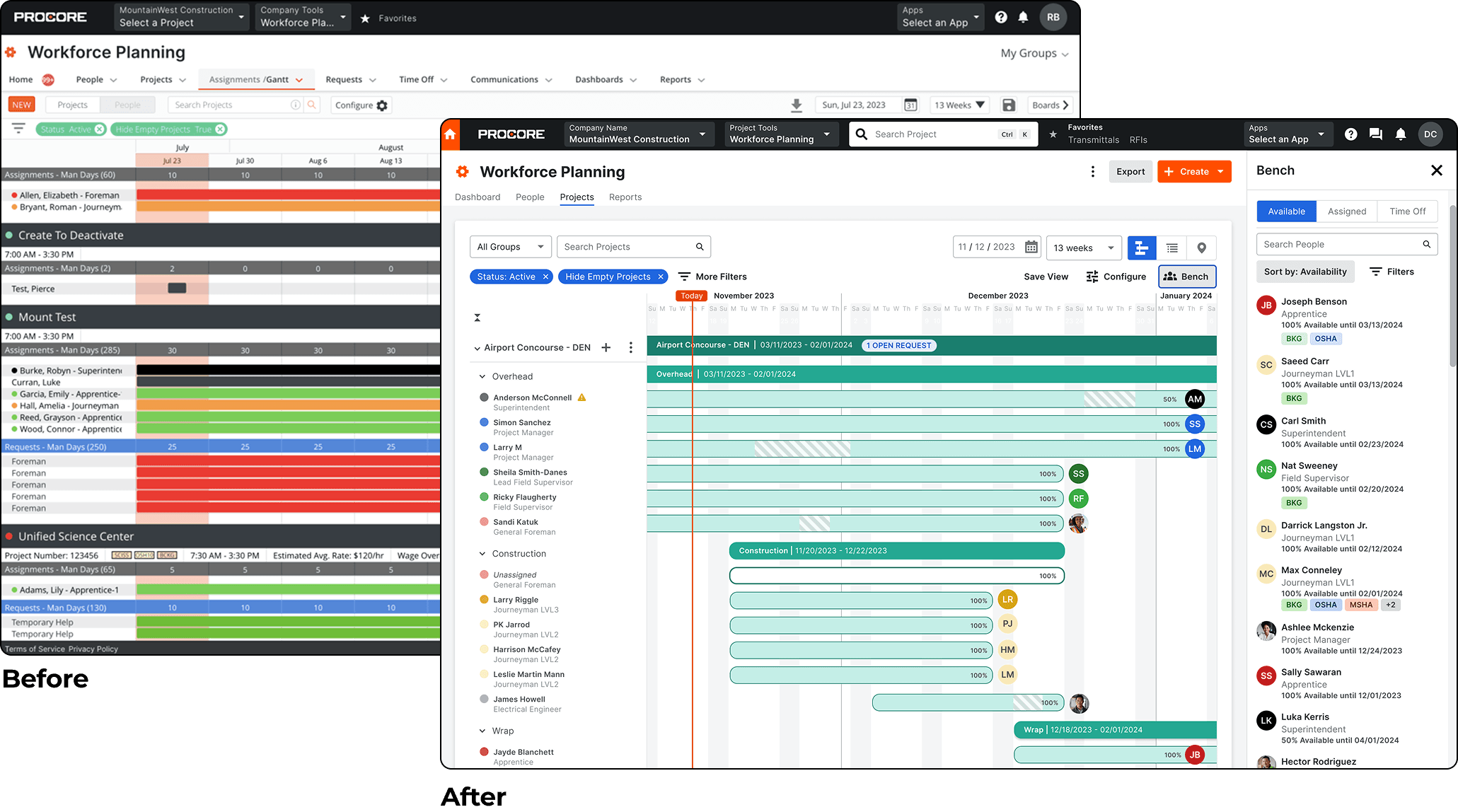
Legacy product rewrite completed in under 3 months with a 53% improvement in usability
NGX Program Structure
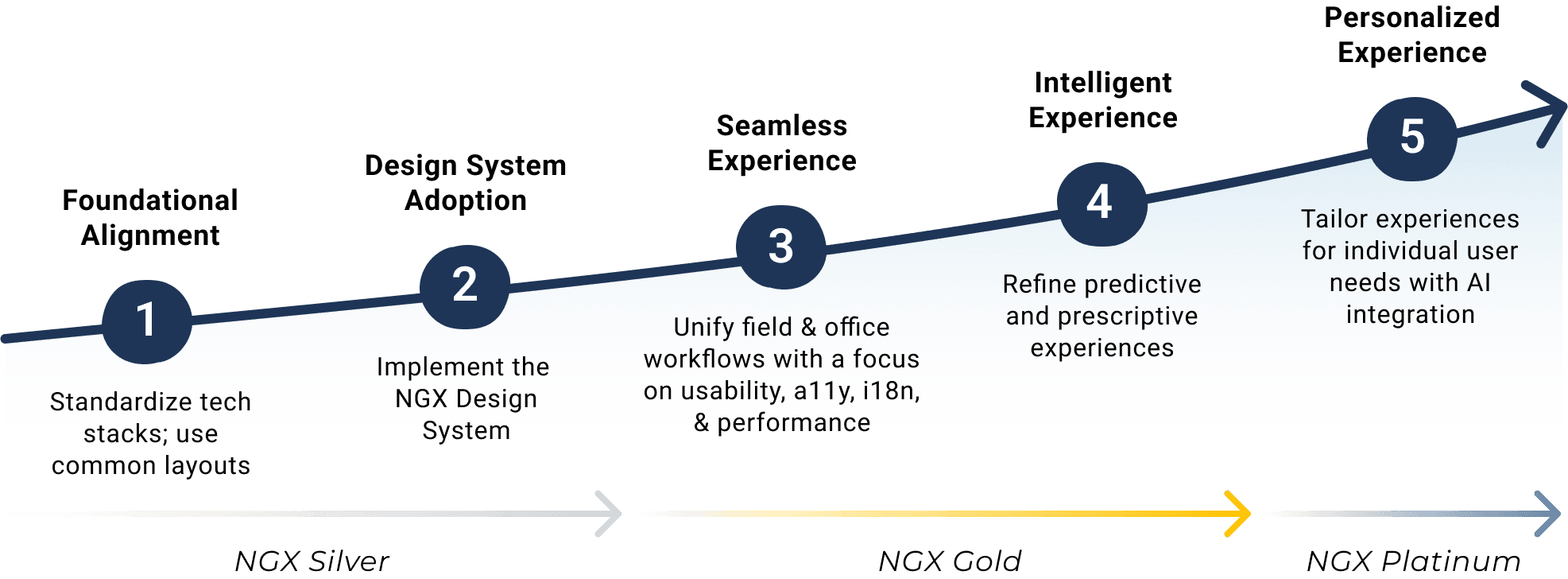
Building Trust Through Transparency
The NextGen initiative elevated Procore’s Design System by introducing deeper, research-backed documentation. Each component now includes design rationale, usage guidance, and linked JIRA tickets, giving teams full visibility into evolution, ownership, and status. The result was greater trust, adoption, and collaboration across design and engineering.
Before
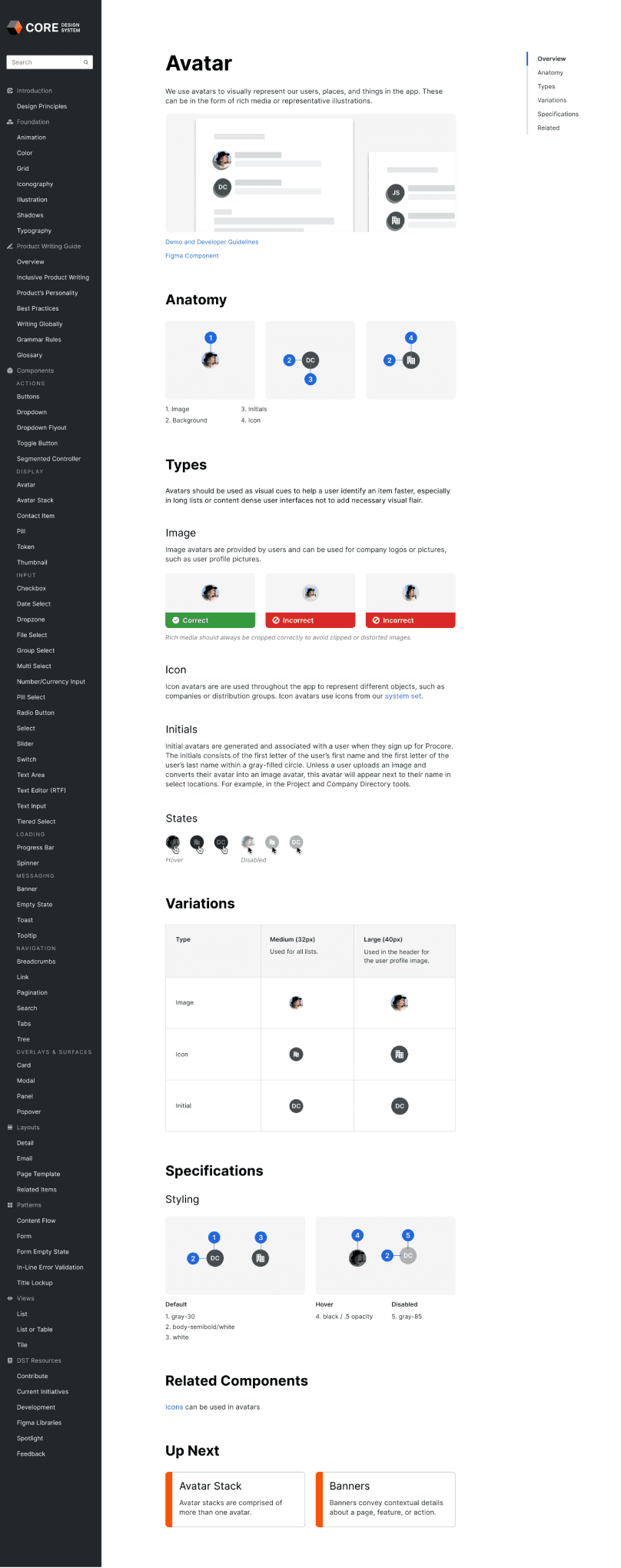
After

Performance Improvements
43
%
Improvement in client-side routing with the adoption of the Design System's MFE architecture.
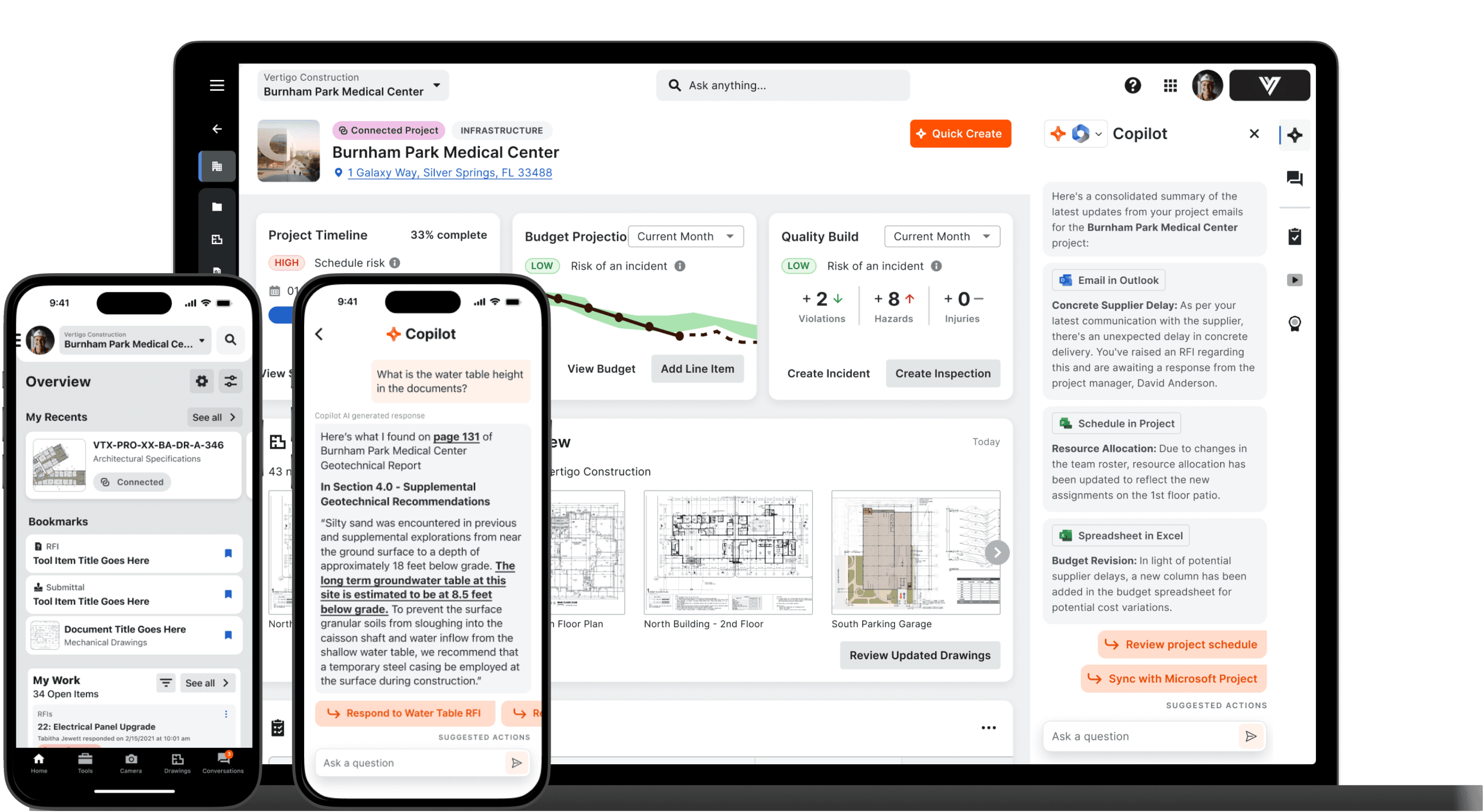
Created a cohesive, cross-platform framework, improving organizational efficiency, reducing time-to-market, and enabling faster AI-driven innovations.
Increased Adoption
Rebuilt trust in the design system by closing component gaps, aligning Figma and code, and introducing clear contribution and governance models.
Enabled teams to modernize the Figma library and workflows, resulting in significant throughput improvements and faster delivery cycles.
Laying the Foundation for
Procore’s Next Chapter
Usability Transformation
Moving the product from below-average to “excellent.”
43
%
Fast Legacy Rewrite
White glove redesign of legacy tool in under 3 months.
Adoption & Trust
White glove rollout rebuilt partner confidence in the design system.